Safety and insurance
Renting a car should feel liberating, not stressful. Yet for many travelers and drivers in the United States, the moment a rental agent asks whether you want the extra insurance, confusion takes over. Do you need it? Does your credit card cover you? What happens if you have an accident far from home? Understanding the basics of safety and insurance before you reach the counter transforms that conversation from a source of anxiety into a decision you can make with confidence. This pillar page walks you through the essentials of rental car protection, liability, and safe driving practices so you can approach every rental prepared.
Why Safety and Insurance Matter When Renting a Car
A rental car is not your own vehicle. You do not know its history, you may be unfamiliar with its size and handling, and you will often be driving in an area you have never visited. That combination of unfamiliar vehicle and unfamiliar roads is precisely why safety and insurance deserve your attention before you pick up the keys.
There is also a financial dimension. A minor fender bender in your own car is inconvenient; the same incident in a rental can involve loss-of-use charges, administrative fees, and diminished-value claims that add up quickly. In some cases, the rental company can bill you for lost revenue while the damaged vehicle sits in the repair shop. Knowing exactly which coverage applies to you protects your wallet as much as your wellbeing.
Understanding the Main Types of Rental Car Coverage
When you stand at the rental counter, you will typically be offered several distinct products. They sound similar, but they protect you in different ways.
- Collision Damage Waiver (CDW) or Loss Damage Waiver (LDW): Technically not insurance but a waiver that shifts financial responsibility for damage to or theft of the rental vehicle from you to the rental company. It usually comes with exclusions and sometimes a deductible.
- Liability coverage: Pays for damage or injury you cause to other people and their property. Rental companies in the US must provide a minimum level of liability, but those minimums vary widely by state and are often too low to cover a serious accident.
- Personal Accident Insurance (PAI): Covers medical expenses for you and your passengers if you are injured in an accident.
- Personal Effects Coverage (PEC): Reimburses you if belongings stolen from the rental car.
- Roadside assistance plans: Cover towing, flat tires, lockouts, and other non-accident incidents during your rental period.
A simple analogy helps: the CDW protects the car, liability coverage protects other people, and PAI protects you and your passengers. Complete protection means thinking about all three, not just the damage waiver the agent emphasizes most.
Before You Buy: Check Coverage You May Already Have
Many renters pay for duplicate coverage because they never checked what they already carry. Before your next rental, take a few minutes to review these potential sources of protection.
- Your personal auto insurance policy: Most US policies extend liability and sometimes collision coverage to rental cars used for personal travel. Call your insurer to confirm, because exclusions exist, particularly for rentals used for business.
- Your credit card benefits: Many major credit cards include secondary or primary collision coverage for rentals when you pay with the card and decline the rental company’s waiver. Read the card’s benefits guide carefully and note any vehicle types excluded, such as large SUVs or vans.
- Your employer’s policy: If you rent for business travel, your company may carry insurance that covers employees driving rentals on company business.
- Travel insurance or memberships: Some travel policies and auto club memberships include rental coverage or roadside assistance that fills common gaps.
Consider a fictional example: Maria rents a sedan in Denver for a weekend ski trip. Her personal auto policy covers liability, and her credit card provides primary collision coverage. By verifying both before departure, she declines the counter’s waiver confidently, saving a meaningful amount over a five-day rental while remaining fully protected. The same preparation takes most renters less than fifteen minutes.
Primary Versus Secondary Coverage
One detail worth understanding: credit card collision coverage is often secondary, meaning it pays only after your personal insurance has paid what it covers. Primary coverage, by contrast, pays first and can spare you a claim on your own policy. If avoiding claims on your personal policy matters to you, look for cards offering primary rental coverage, which is more common on premium travel cards.
State Differences and Minimum Liability in the US
The United States regulates auto insurance at the state level, which means minimum liability requirements differ depending on where you rent and drive. States like California and Florida have relatively low minimum bodily injury requirements, while others mandate more. If you cause a serious accident, damages can far exceed state minimums, and you would be personally responsible for the difference unless you carry supplemental liability protection.
For this reason, many frequent renters consider a supplemental liability insurance (SLI) product from the rental company or verify that their own policy extends high enough limits. Renters visiting from abroad face an additional wrinkle: their home country’s insurance almost never extends to US rentals, making liability protection purchased at the counter or through a travel policy especially important.
Practical Safety Habits for Rental Drivers
Insurance handles what happens after an incident. Good habits reduce the chance you ever need it. Rental cars present unique safety challenges, and a short routine addresses most of them.
Before You Leave the Lot
- Walk around the vehicle and photograph any existing dents, scratches, or cracked glass so you are not charged for prior damage.
- Adjust the seat, mirrors, and steering wheel before driving, and locate the headlights, wipers, and hazard lights.
- Familiarize yourself with the dashboard, especially if the car has unfamiliar technology such as automatic emergency braking or lane-keeping assistance.
- Confirm the fuel type. Putting gasoline into a diesel vehicle, or vice versa, can cause serious engine damage not covered by a damage waiver.
- Program your destination before driving rather than fumbling with a navigation screen on the road.
On the Road
- Give yourself extra following distance while you learn how the vehicle accelerates and brakes.
- Watch for unfamiliar road rules if you are driving in a new state, such as different rules for turning right on red or variable speed limits.
- Take a break every couple of hours on long drives. Fatigue is a leading factor in highway accidents, and road trips often tempt drivers to push through.
- Park in well-lit areas and never leave valuables visible in the cabin, which also protects your personal effects.
Think of these habits as a pre-flight checklist. Pilots run the same routine every time precisely because unfamiliarity breeds mistakes, and a rental car is essentially an aircraft you have never flown.
What To Do If an Accident or Damage Happens
Even careful drivers face accidents. Knowing the right sequence of steps reduces stress and protects your financial interests.
- Ensure everyone’s safety first and call emergency services if there are injuries.
- Notify the police and obtain an accident report, which insurers and rental companies typically require for damage claims.
- Document the scene with photographs of all vehicles, the location, and any road conditions that contributed.
- Exchange information with any other drivers, including insurance details.
- Call the rental company’s accident hotline, usually printed on your rental agreement, before arranging repairs.
- Report the incident to your own insurer or credit card benefits administrator promptly, since late reporting can jeopardize coverage.
Keep the rental agreement, police report number, and receipts for any related expenses together in one place. When you return the vehicle, ask for a written damage report rather than relying on verbal assurances.
Common Questions From Renters
Should I ever buy the counter’s damage waiver?
It depends on your situation. If you have no personal auto policy, your credit card lacks rental coverage, or you are an international visitor, the waiver can be worthwhile. If you carry strong overlapping coverage, it is usually redundant. The key is deciding before you arrive at the counter, when the decision is made calmly rather than under time pressure.
Does my insurance cover me if I rent for business?
Often not. Many personal policies exclude rentals used for work purposes. If you rent for business regularly, review your company’s coverage or discuss a business-use endorsement with your insurer.
What is loss of use, and can I be charged for it?
Loss of use is the revenue the rental company claims to lose while a damaged vehicle is out of service. Some states restrict these charges, but where they are permitted, they can be substantial. A damage waiver or credit card coverage that includes loss-of-use protection shields you from this exposure.
The Takeaway: Prepare Once, Rent Confidently
Safety and insurance in car rental are not about buying the most coverage or memorizing regulations. They are about knowing, in advance, exactly what protection you already have, filling only the real gaps, and driving with the care that unfamiliar vehicles and roads demand. Spend a quarter of an hour reviewing your auto policy and credit card benefits before your next trip, adopt the pre-drive checklist above, and keep a simple incident plan in mind. With that preparation in place, you can hand over your payment card, decline what you do not need, accept what you do, and get on the road with genuine peace of mind.
Why is understanding car insurance in florida crucial for drivers?
Understanding car insurance in Florida is essential for all drivers in the Sunshine State. With its unique no-fault system and specific coverage requirements, navigating the world of auto insurance can be complex. Whether you’re a long-time resident or a newcomer…
Lire la suite
What are the best ways to avoid traffic fines while driving in Florida?
Navigating Florida’s roads can be challenging, especially when it comes to avoiding traffic fines. With its unique blend of bustling cities, tourist hotspots, and retirement communities, the Sunshine State presents drivers with a diverse set of challenges. Understanding local traffic…
Lire la suite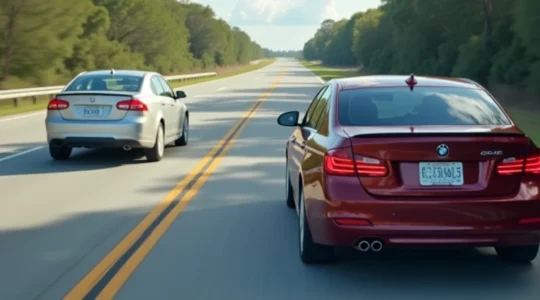
Ensure your safety on Florida’s roads with these road safety tips
Florida’s stunning landscapes and vibrant cities attract millions of visitors each year, making road safety a top priority for both residents and tourists. The Sunshine State’s unique climate, diverse wildlife, and bustling tourist areas present distinct challenges for drivers. By…
Lire la suiteHow do you choose the right insurance for your rental car in Florida?
Selecting the appropriate insurance for your rental car in Florida can be a complex decision with significant financial implications. As you plan your trip to the Sunshine State, understanding the nuances of rental car insurance becomes crucial for both peace…
Lire la suite